Top 10 Greatest Clutch Performances in Super Bowl History

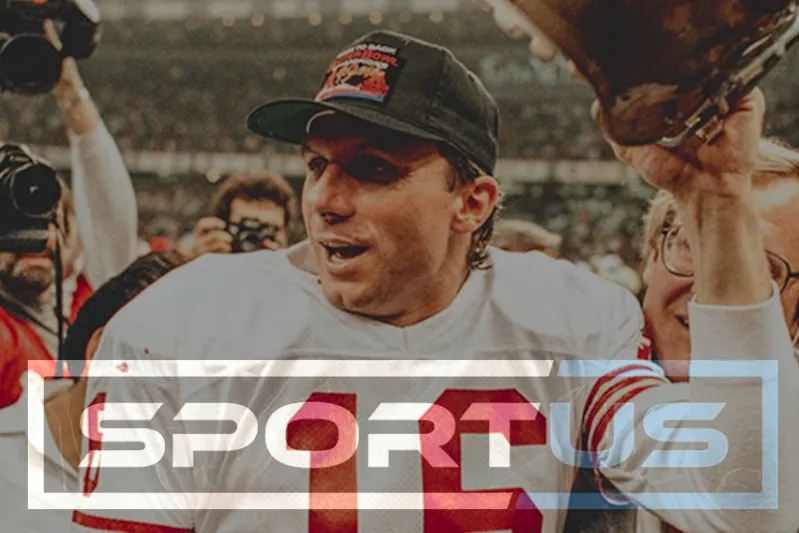
The Super Bowl is the biggest stage in American football, and pressure reaches a level that players rarely experience anywhere else. A championship can depend on one drive, one catch, one defensive stop or even one kick. Great statistics matter, but true clutch performances are different. They happen when the game is still undecided and a player produces exactly what the team needs. From quarterbacks leading last-minute drives to receivers making impossible catches and defenders saving championships at the goal line, Super Bowl history is filled with moments when individual players delivered under extreme pressure. This list looks at 10 of the greatest clutch performances through Super Bowl LX.
When Super Bowl Pressure Created Legendary Performances
A clutch Super Bowl performance does not always require four quarters of statistical dominance. Sometimes the most important contribution arrives during the final two minutes. In other cases, a player carries an offense throughout the game and then produces another decisive play when the championship is on the line.
The importance of the situation is central to this ranking. The score, time remaining, difficulty of the play and consequences of failure all matter. These players performed when there was almost no room for error.
10. Adam Vinatieri, New England Patriots, Super Bowl XXXVI
Adam Vinatieri had one of the most pressurized kicks in Super Bowl history when the New England Patriots faced the St. Louis Rams in Super Bowl XXXVI. The Patriots entered the game as underdogs against an explosive Rams offense but carried a 17-3 advantage into the fourth quarter.
St. Louis recovered and tied the game at 17-17. New England received the ball with less than two minutes remaining, and Tom Brady moved the offense into field goal range.
There was no guarantee of overtime if New England decided to attack. The Patriots trusted the young quarterback and eventually placed the championship on the right foot of Vinatieri.
With no time remaining, Vinatieri converted a 48-yard field goal to give New England a 20-17 victory. The kick delivered the first Super Bowl championship in franchise history and began an era of extraordinary success. Vinatieri later produced more famous pressure kicks, but few situations in NFL history have carried greater consequences than that final attempt.
9. Mike Jones, St. Louis Rams, Super Bowl XXXIV
Sometimes an entire Super Bowl is decided by a single defensive tackle. That was the situation Mike Jones faced at the end of Super Bowl XXXIV between the St. Louis Rams and Tennessee Titans.
St. Louis led 23-16, but Tennessee drove deep into Rams territory during the final seconds. Quarterback Steve McNair completed a pass to Kevin Dyson with only seconds remaining. Dyson caught the ball in motion and appeared to have a route toward the end zone.
Jones had to make the tackle. If he missed, Tennessee could score a touchdown and potentially force overtime with the extra point.
Jones wrapped up Dyson and brought him down just short of the goal line as time expired. Dyson stretched the football toward the end zone but could not reach it. The play became known as One Yard Short and gave the Rams a 23-16 victory.
Jones did not produce a huge statistical performance, but clutch football is about succeeding when failure means losing the championship. Few defensive players have ever faced a clearer all-or-nothing moment.
8. Cooper Kupp, Los Angeles Rams, Super Bowl LVI
Cooper Kupp entered Super Bowl LVI after an extraordinary season, but his most important work came when the Los Angeles Rams desperately needed a final touchdown against the Cincinnati Bengals.
The Rams had lost receiver Odell Beckham Jr. to injury, reducing the number of reliable offensive options available to Matthew Stafford. Cincinnati led 20-16 in the fourth quarter, and Los Angeles needed a long scoring drive to save the season.
Everyone knew Kupp was the main target, but Cincinnati still struggled to stop him. He converted a crucial fourth down with a run and repeatedly found space as the Rams moved toward the end zone.
Kupp eventually caught the go-ahead touchdown with less than two minutes remaining. He finished the game with 8 receptions for 92 yards and 2 touchdowns as Los Angeles won 23-20.
The final drive made the performance special. The defense knew where the football was likely to go, yet Kupp continued making the plays required to complete the comeback. He was named Super Bowl MVP.
7. Malcolm Butler, New England Patriots, Super Bowl XLIX
Malcolm Butler entered Super Bowl XLIX as an undrafted rookie. He left the game responsible for one of the most famous defensive plays in American football history.
The Seattle Seahawks trailed the New England Patriots 28-24 but reached the New England 1-yard line during the final minute. Seattle had Marshawn Lynch in the backfield and appeared extremely close to winning a second consecutive championship.
On second down, Russell Wilson attempted a quick pass toward Ricardo Lockette. Butler recognized the route, accelerated toward the football and intercepted the pass at the goal line.
The decision had to be immediate. Arriving a fraction of a second late could have produced a Seattle touchdown. Butler instead reached the ball first and secured possession for New England.
The interception effectively ended the game and delivered another championship to the Patriots. Butler did not need a full evening of spectacular statistics. One perfect reaction under maximum pressure was enough to place his name permanently in Super Bowl history.
6. Eli Manning, New York Giants, Super Bowl XLII
Eli Manning faced one of the most difficult possible Super Bowl situations. The New York Giants were playing a New England Patriots team that had won every game during the regular season and playoffs. Late in the fourth quarter, New York trailed 14-10.
The Giants received the ball and needed a touchdown. Manning then directed a 12-play, 83-yard drive with the championship on the line.
The defining moment came on third down when New England appeared to have Manning trapped. He somehow escaped the pass rush and launched the football downfield. David Tyree made the famous Helmet Catch while fighting to maintain possession.
The drive continued, and Manning eventually found Plaxico Burress for a 13-yard touchdown with 35 seconds remaining. New York won 17-14 and prevented New England from completing a perfect season.
Manning finished with 255 passing yards and 2 touchdowns and earned Super Bowl MVP honors. His final drive remains one of the strongest examples of a quarterback surviving enormous pressure and delivering against an opponent that appeared almost unbeatable.
5. Nick Foles, Philadelphia Eagles, Super Bowl LII
Nick Foles was not even the original starting quarterback for the Philadelphia Eagles during the 2017 season. Carson Wentz suffered a serious injury late in the year, leaving Foles responsible for guiding Philadelphia through the playoffs.
He reached Super Bowl LII against Tom Brady and the New England Patriots and produced one of the greatest performances by a backup quarterback in NFL history.
Foles threw for 373 yards and 3 touchdowns. He also caught a touchdown on the famous Philly Special, becoming part of one of the boldest trick plays ever called in a Super Bowl.
The most important work came late. New England moved ahead 33-32 in the fourth quarter, placing Philadelphia under enormous pressure. Foles responded by leading a long touchdown drive that ended with a scoring pass to Zach Ertz.
Philadelphia eventually won 41-33. Foles finished the night with four total touchdowns, three passing and one receiving, and was named Super Bowl MVP.
The combination of his unexpected role, the quality of the opponent and his willingness to attack throughout the game makes this one of the finest clutch quarterback performances the Super Bowl has produced.
4. Santonio Holmes, Pittsburgh Steelers, Super Bowl XLIII
Santonio Holmes produced a brilliant receiving performance in Super Bowl XLIII, but almost everything is remembered through one final catch.
The Pittsburgh Steelers had controlled much of the game against the Arizona Cardinals, but Arizona recovered and moved ahead 23-20 after a long Larry Fitzgerald touchdown late in the fourth quarter.
Pittsburgh suddenly needed a touchdown drive. Ben Roethlisberger moved the offense downfield, and Holmes became the central figure. He caught four passes during the decisive 78-yard drive.
With Pittsburgh close to the goal line, Roethlisberger threw toward the back corner of the end zone. Holmes reached for the football while keeping both feet inside the field. The margin between touchdown and incompletion was tiny, but he maintained control and completed one of the most technically difficult championship-winning catches ever seen.
Holmes finished with 9 receptions for 131 yards and the winning touchdown. Pittsburgh won 27-23, and Holmes received Super Bowl MVP honors.
Great receivers are expected to make difficult catches. Making one in the corner of the end zone with the Super Bowl at stake and almost no room available takes the definition of clutch performance to another level.
3. Patrick Mahomes, Kansas City Chiefs, Super Bowl LVIII
Patrick Mahomes had already established a reputation for postseason comebacks before Super Bowl LVIII, but the game against the San Francisco 49ers provided another remarkable example.
Kansas City spent much of the game playing from behind. Mahomes did not begin with dominant statistics, but he became increasingly influential as the pressure increased.
He finished with 333 passing yards, 2 touchdown passes and 66 rushing yards. His mobility became especially important during the final stages of regulation and overtime.
The Super Bowl entered overtime tied at 19-19. San Francisco received the ball first and kicked a field goal to take a 22-19 lead. Kansas City therefore needed at least a field goal to continue the game and a touchdown to win the championship.
Mahomes led a 75-yard drive under extraordinary pressure. Kansas City faced fourth-and-1 early in the possession, and Mahomes ran for the necessary yardage. Later, another important scramble moved the Chiefs deep into San Francisco territory.
He completed the comeback with a 3-yard touchdown pass to Mecole Hardman. Kansas City won 25-22, and Mahomes collected another Super Bowl MVP award.
The ability to repeatedly solve difficult situations during overtime made the performance exceptional. Every Kansas City possession could have ended the season, yet Mahomes continued creating answers.
2. Joe Montana, San Francisco 49ers, Super Bowl XXIII
Joe Montana produced one of the classic examples of quarterback calm when the San Francisco 49ers faced the Cincinnati Bengals in Super Bowl XXIII.
Cincinnati kicked a field goal to move ahead 16-13 with 3 minutes and 20 seconds remaining. San Francisco received the ball at its own 8-yard line. The situation was simple: 92 yards separated Montana from a championship-winning touchdown.
Montana appeared completely relaxed. He methodically moved the offense downfield, completing short and intermediate passes while refusing to allow the pressure of the moment to change his approach.
The 49ers needed 11 plays to cover the 92 yards. Montana completed 8 of 9 passes during the drive. With only 34 seconds remaining, he found John Taylor for a 10-yard touchdown.
San Francisco won 20-16. Montana finished the game with 357 passing yards and 2 touchdowns.
Jerry Rice was named Super Bowl MVP after an outstanding receiving performance, but the final drive became one of the defining moments of the Montana career. There was no panic and no unnecessary risk. Montana simply controlled the situation until the winning opportunity appeared.
1. Tom Brady, New England Patriots, Super Bowl LI
No Super Bowl performance demonstrates the meaning of clutch football better than Tom Brady against the Atlanta Falcons in Super Bowl LI.
New England fell behind 28-3 during the third quarter. No team had ever recovered from such a large deficit in Super Bowl history. Atlanta appeared to have complete control, and the Patriots had little time remaining to produce several scoring drives.
Brady continued attacking. New England slowly reduced the deficit, while the defense began creating the stops required to make a comeback possible.
The final numbers were extraordinary. Brady completed 43 of 62 passes for 466 yards and 2 touchdowns. More important than the totals was the way he performed as the pressure increased.
New England scored 19 points during the fourth quarter. Brady directed a touchdown drive and then another late possession that ended with James White scoring and Danny Amendola completing the 2-point conversion to tie the game 28-28.
The Super Bowl went to overtime for the first time in history. New England won the coin toss, and Brady immediately led another long drive. Atlanta never regained possession. White scored the winning touchdown to complete a 34-28 victory.
James White deserves enormous credit for one of the greatest Super Bowl performances by a running back. He caught 14 passes for 110 yards, scored 3 touchdowns, completed a 2-point conversion and produced 20 total points. Even Brady later argued that White deserved MVP recognition.
However, the responsibility placed on the quarterback throughout the comeback makes Brady the central figure. New England needed almost perfect offensive football after falling 25 points behind. One failed drive could have ended the comeback.
Brady continued completing passes, converting difficult situations and moving the offense until the largest comeback in Super Bowl history was complete. He earned Super Bowl MVP honors and delivered a performance that remains the standard for playing under championship pressure.
What Makes a Super Bowl Performance Truly Clutch?
Statistics are useful when comparing performances, but numbers alone cannot explain clutch football. A quarterback can throw for 400 yards in a comfortable victory without facing the pressure experienced during a final two-minute drive.
The greatest clutch performances usually contain several important elements:
- The game remains close when the decisive plays occur.
- A mistake could directly result in defeat.
- The player performs against a strong opponent or difficult situation.
- The most important contribution arrives late in the game.
- The performance directly influences the championship result.
This is why kickers and defensive players can belong beside quarterbacks and receivers. Vinatieri needed one successful kick. Butler needed one interception. Jones needed one tackle. Failure in any of those moments could have produced a completely different Super Bowl champion.
Other Super Bowl Performances That Deserve Recognition
Super Bowl history contains many performances that could easily enter a list like this. James White was essential to the New England comeback in Super Bowl LI. Kurt Warner threw for 414 yards in Super Bowl XXXIV and responded to a Tennessee comeback with a 73-yard touchdown pass to Isaac Bruce.
Patrick Mahomes also produced an excellent pressure performance in Super Bowl LVII while dealing with an injured ankle. He completed 21 of 27 passes for 182 yards and 3 touchdowns and added a crucial late scramble before Kansas City kicked the winning field goal against Philadelphia.
John Riggins carried the ball 38 times for 166 yards in Super Bowl XVII and broke a 43-yard touchdown run on fourth down. Terrell Davis scored 3 rushing touchdowns in Super Bowl XXXII despite dealing with a migraine during the game.
More recently, Kenneth Walker III produced 161 yards from scrimmage and won Super Bowl LX MVP as Seattle defeated New England 29-13. It was an outstanding championship performance, although the more comfortable score and absence of a late game-deciding situation place it outside this particular clutch ranking.
Super Bowl Legends Are Often Created in the Final Minutes
The Super Bowl can change the reputation of a player in only a few minutes. A season of outstanding football can be forgotten after one mistake, while one perfect drive or defensive play can create a story that lasts for decades.
Montana needed 92 yards to win Super Bowl XXIII and calmly completed the journey. Holmes had almost no space in the corner of the end zone but still made the catch. Butler recognized one route and reacted quickly enough to prevent a championship-winning touchdown. Mahomes faced elimination during overtime and continued moving Kansas City forward.
Brady faced the largest deficit any eventual Super Bowl winner had ever overcome and continued attacking until New England completed the comeback. Those are the situations that separate an excellent performance from a truly clutch one.
Future Super Bowls will produce bigger statistical games and new records, but the greatest performances will still be measured by the same question: when the championship was in danger and everything depended on the next play, who delivered?