Top 10 Rivalries of the Open Era

Tennis has always been richer when two great players push each other for years. A good rivalry gives fans more than one match. It gives them a story that grows over time. Styles clash, confidence swings and every new meeting brings extra pressure because both players already know what the other can do. That is what makes the Open Era so special. It has given the sport many unforgettable duels, from long running battles between legends to intense modern meetings that decided major titles. This article looks at the top 10 rivalries of the Open Era and explains why each one matters. The focus is on quality, drama and the way each rivalry shaped the sport.
Greatest Open Era tennis rivalries
Some rivalries are built on contrast. One player may bring power while the other brings touch. Some are built on repeated finals. Others grow because the players meet in huge matches at the biggest events in the sport. The best rivalries never feel ordinary, even after many meetings. They create a feeling that something important is about to happen every time the two names appear on the draw. The rivalries below helped shape the modern history of tennis and remain the standard for what a great head to head battle looks like.
1. Roger Federer and Rafael Nadal
This is the rivalry that most fans think of first. Federer brought grace, timing and one of the cleanest attacking games ever seen. Nadal brought heavy topspin, extreme intensity and unmatched physical pressure. Their contrast made every meeting feel special, especially on clay and grass where the balance of power changed depending on the surface. The rivalry reached a huge peak in major finals, including classic battles at Wimbledon and the French Open. Fans saw elegance against force and style against stamina. This rivalry helped define an entire tennis generation and remains the most famous of the Open Era.
2. Rafael Nadal and Novak Djokovic
Nadal and Djokovic produced one of the most physically demanding rivalries in tennis history. Their matches often lasted a long time and asked everything from both players. Nadal used heavy spin and relentless court coverage, while Djokovic answered with return skill, flexibility and deep baseline control. The rivalry mattered because both men were at their best at the same time and kept meeting in major finals and deep tournament stages. Some matches were tactical, some were brutal and some were emotional. Few rivalries have produced this many long, high level contests across different surfaces and different phases of both careers.
3. Roger Federer and Novak Djokovic
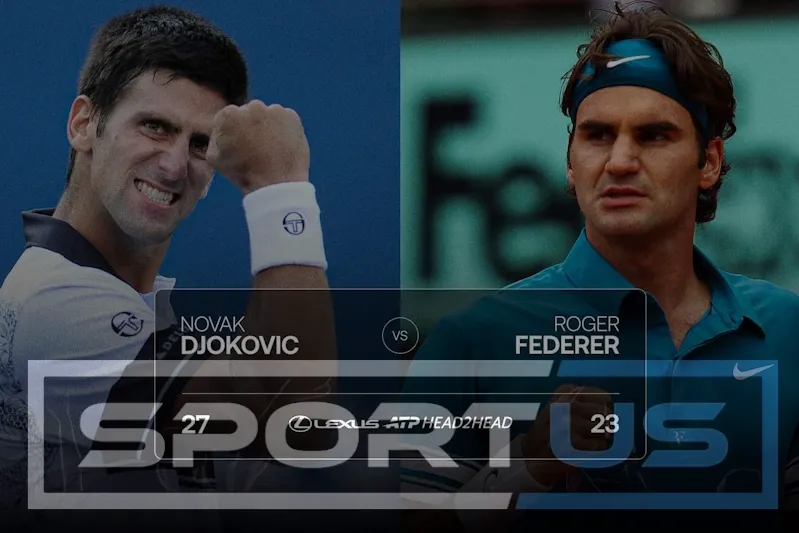
Federer and Djokovic gave fans a rivalry that mixed art and precision. Federer tried to attack early, use the forehand and finish points quickly. Djokovic often absorbed pressure, returned everything and slowly took control of rallies. Their meetings became more intense as Djokovic grew into a dominant force and started winning more of the biggest matches. This rivalry mattered because it often took place in finals and semi finals with real title pressure. Federer brought the legacy, Djokovic brought the grind and the result was a long series of matches that helped shape the late Open Era.
4. John McEnroe and Bjorn Borg
McEnroe and Borg gave tennis one of its most iconic contrasts. Borg was calm, controlled and emotionally quiet. McEnroe was fiery, emotional and constantly trying to break rhythm. Their rivalry felt larger than tennis because the personalities were so different. The famous battles at Wimbledon and the US Open helped turn the sport into must watch drama. Borg had the ice cold style. McEnroe had the rebellion and the edge. The rivalry was short compared to some others on this list, but its cultural impact was massive. It showed that tennis could be theatre as well as sport.
5. Martina Navratilova and Chris Evert
This is one of the greatest rivalries in women tennis history and one of the most balanced in the Open Era. Evert brought consistency, patience and a superb baseline game. Navratilova brought athleticism, left handed power and sharp attacking play. They met many times in major finals and their rivalry helped raise the profile of women tennis around the world. What made it so important was not only the quality of tennis, but the way the two styles forced each other to improve. Their long battle across many seasons gave fans a perfect example of how a true rivalry should work.
6. Steffi Graf and Monica Seles
Graf and Seles produced a rivalry full of power, speed and major tournament significance. Graf was a complete all court player with one of the greatest forehands in history. Seles attacked with two handed power from both sides and played with huge intensity. When they met, the matches often felt like a battle for control of the entire sport. Their rivalry is remembered not only for the level of play but also for the sudden change that interrupted it and altered the course of tennis history. Even with that interruption, the rivalry remains one of the most important of the Open Era because of the sheer quality on display.
7. Martina Navratilova and Steffi Graf
Navratilova and Graf created a different kind of rivalry, one that bridged generations. Navratilova was the established champion with a huge attacking game. Graf arrived with explosive pace, superb movement and a level of all court balance that made her hard to stop. Their meetings mattered because they showed a changing of the guard in women tennis. Navratilova represented the power and net play of one era, while Graf showed the speed and complete court coverage of the next. The rivalry was short enough to feel sharp, but important enough to leave a lasting mark on the sport.
8. Pete Sampras and Andre Agassi
Sampras and Agassi gave tennis an all American rivalry that covered style, personality and attitude. Sampras was calm, efficient and built around serving plus first strike tennis. Agassi was flashy, intense and built around return strength and baseline rhythm. The two clashed in huge matches for years and became the faces of mens tennis in the 1990s. Their rivalry mattered because it was a true contrast in every sense. Even their public images felt different. Sampras was quiet and reserved. Agassi was more open and emotional. Together they gave the sport a long running story that fans could follow from one season to the next.
9. Serena Williams and Venus Williams
Serena and Venus changed the way fans think about family rivalry in sport. They met in many of the biggest events in tennis and often did so with a title on the line. Serena brought overwhelming power and an ability to raise her level in key moments. Venus brought reach, athleticism and a complete game of her own. Their matches mattered not only because of the level of tennis, but because of the history they created together. The rivalry lifted women tennis into a new public spotlight and turned their meetings into global events. It remains one of the most unique and important rivalries in the Open Era.
10. Novak Djokovic and Andy Murray
Djokovic and Murray did not always have the same global image as some other rivalries on this list, but the quality and importance of their meetings were huge. They came through the same generation, met in major finals and pushed each other through many long seasons. Djokovic often had the edge, but Murray kept finding ways to challenge him and force high quality tennis. Their rivalry mattered because it showed how hard it is to reach the top and stay there. Murray had to fight through a period where Djokovic, Nadal and Federer set an incredibly high bar. That made every win more meaningful and every meeting more demanding.
What makes a great tennis rivalry
Style contrast
The best rivalries usually give fans something clear to compare. Power against touch, defense against attack or calm against emotion all create strong storytelling. The more different the styles, the easier it is for the rivalry to feel special.
Big match stakes
Rivalries grow when the meetings happen in finals, semi finals and other important rounds. A rivalry that decides major titles always feels bigger than one that only appears in early rounds. Pressure gives meaning to every point.
Long term memory
Great rivalries stay alive because fans remember the whole journey. It is not one match, but many meetings across years. The best rivalries become part of the identity of the era they belong to.
Respect and tension
The strongest rivalries have both. There is respect between the players, but there is also the feeling that neither wants to give an inch. That mix is what creates drama and keeps the audience locked in.
Conclusion
The Open Era has given tennis many great matches, but the rivalries above are what gave the sport its lasting structure. They created eras, changed how fans talked about the game and pushed players to reach new levels. Federer and Nadal set one standard. Nadal and Djokovic set another. The older rivalries of Borg, McEnroe, Navratilova, Evert, Graf, Sampras, Agassi, Serena and Venus helped build the sport into what it is today. That is why these rivalries matter so much. They are not only famous meetings. They are the reason tennis history feels alive.